
Product Life Cycle Management PLM
Home Product Life Cycle Management PLM

The product lifecycle is a vital framework for businesses, illustrating the progression of a product from its introduction to its eventual withdrawal from the market. By understanding each phase –
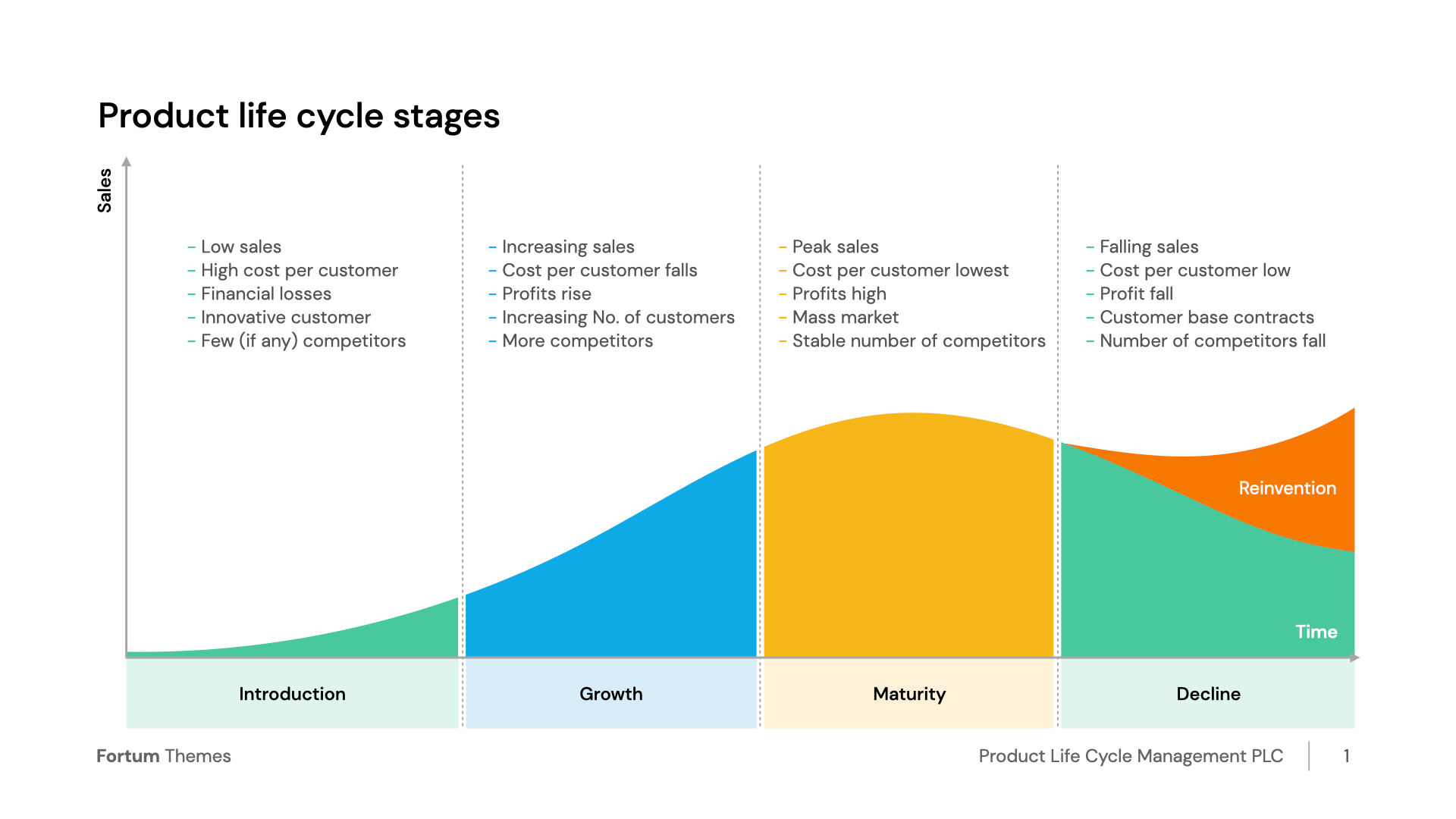
The Product Life Cycle (PLC) comprises four main stages, representing the progression of a product from its introduction to withdrawal from the market. These stages are Introduction, Growth, Maturity, and

The Agile Product Management Lifecycle Framework is a dynamic approach to product development that prioritizes adaptability and customer feedback. Centered around iterative cycles and incremental improvements, this framework allows teams

Product Lifecycle Management (PLM) streamlines the end-to-end management of products, from conception to retirement. By centralizing product information and processes, PLM enhances collaboration, reduces time-to-market, and optimizes operational efficiency. Moreover,

Product Lifecycle Management (PLM) is a systematic approach to managing the entire lifecycle of a product from its initial concept and design, through production and use, to its ultimate disposal

Product Life Cycle Management (PLM) is a strategic approach to managing the entire lifecycle of a product from its conception, through design and manufacturing, to service and disposal. It integrates

Product Life Cycle Management (PLCM) is a systematic approach to managing the entire lifecycle of a product from its conception, through design and manufacture, to service and disposal. It integrates

Product Life Cycle Management (PLCM) is a systematic approach to managing a product’s life from its conception to its discontinuation. It encompasses all stages including design, development, production, distribution, and

Product Life Cycle Management (PLCM) capabilities enable organizations to efficiently manage the entire lifecycle of a product from its inception, through design and manufacturing, to service and disposal. By centralizing

Product Life Cycle Management (PLC) is a systematic approach to managing a product’s entire lifecycle, from its inception and design, through production and use, to its eventual retirement or disposal.

Life Cycle Management of Service and Product is a strategic approach to managing the entire life span of a product or service from inception to phase-out. It encompasses design, production,

Digital Product Life Cycle Management (PLCM) is the application of strategies and tools to manage the entire lifecycle of a digital product, from inception to obsolescence. It integrates various phases
Product Life Cycle Management (PLM) is a strategic approach to overseeing a product’s entire lifespan, from idea to market withdrawal. Companies use PLM to optimize processes, reduce costs, and stay competitive.
The product life cycle begins with development, where teams generate ideas, conduct market research, and create prototypes. This phase requires investment in research and strategic planning to ensure feasibility. Once the product is ready, it enters the introduction stage, where marketing efforts, distribution, and customer acquisition become priorities. Sales grow slowly, while costs remain high due to advertising and production setup.
As the product gains traction, it moves into the growth stage, characterized by rising demand, increased sales, and market expansion. Companies refine their marketing strategies, optimize supply chains, and enhance product features to strengthen their position. When the market reaches saturation, the maturity stage begins. Competition intensifies, and companies focus on retaining customers through product differentiation, promotions, and service improvements.
Eventually, the product enters the decline stage as demand drops due to market shifts, emerging alternatives, or technological advancements. Businesses decide whether to update, reposition, or phase out the product to minimize losses.
PLM integrates various tools to streamline each phase. Digital modeling aids development, data management ensures consistency, and supply chain coordination prevents inefficiencies. Effective PLM fosters agility, helping companies respond quickly to market changes, enhance product quality, and maximize profitability.